
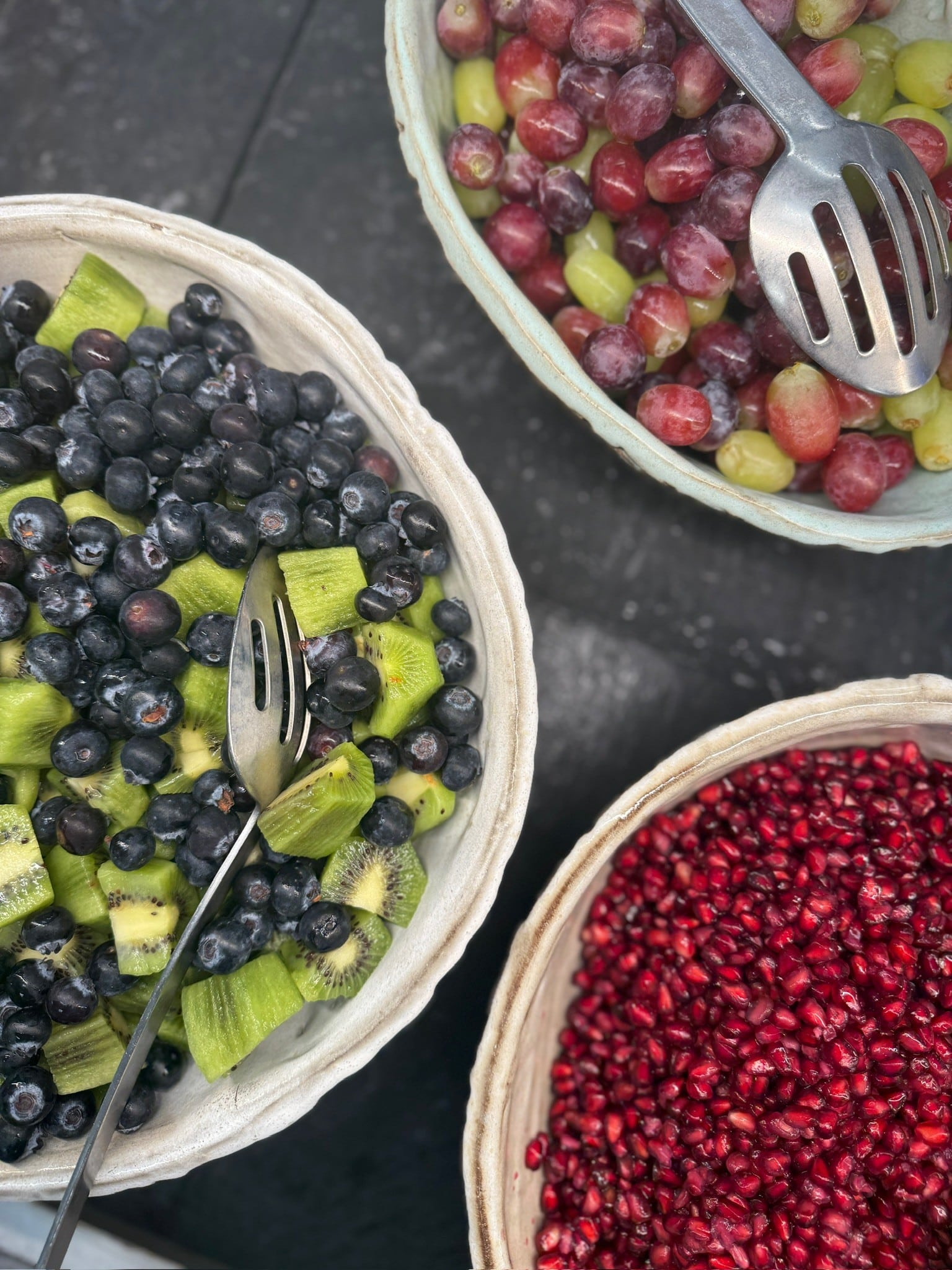
PERFORMANCE IS PERSONAL: HOW RDS FUEL EVERY KIND OF ATHLETE ACROSS FLIK
When you hear the words “performance nutrition,” what comes to mind? Maybe you’re picturing a marathon runner tracking macros, or a locker room stocked with protein shakes and supplements, or a professional NFL player connecting with their personal chef on requested pre-game meals.
But performance nutrition isn’t reserved for the pros.
A student heading from class to practice, a professional athlete preparing for game day, and an everyday athlete squeezing in a workout before work all rely on the same fundamental nutrients to perform. What — and how much — they need, when they need it, and how nutrition fits into the rest of their lives, however, can look very different.
That’s where registered dietitians come in.
Across the FLIK portfolio, our RDs apply the science of nutrition to help educate students, accountants, lawyers, collegiate athletes, professional athletes, and beyond, understand how their age, activity level, schedule, environment, and personal goals affect their nutrition. The result? There may be universal principles behind performance nutrition, but there is no universal performance plate.

Student Athletes: Fueling the Athlete and the Student as One
For student athletes, nutrition has a particularly important dual role: fueling today’s performance while supporting tomorrow’s growth.
“Student athletes aren’t ‘smaller adults,’” says Kerry Cowart, MBA, RDN, VP of Wellness and Nutrition for FISD. “Their nutrition must support both their developing bodies and their athletic goals.”
Adolescents need energy and nutrients for training, practices, competition, and recovery, but their bodies are also actively building bones and muscle and supporting brain development. Add academics, travel and packed extracurricular schedules to the equation, and fueling becomes about far more than what happens before a game.
That’s why Cowart says FISD meets students where they are, balancing performance, enjoyment and education while embracing an “All Foods Fit” philosophy. The dining hall can play an important role in making that possible.
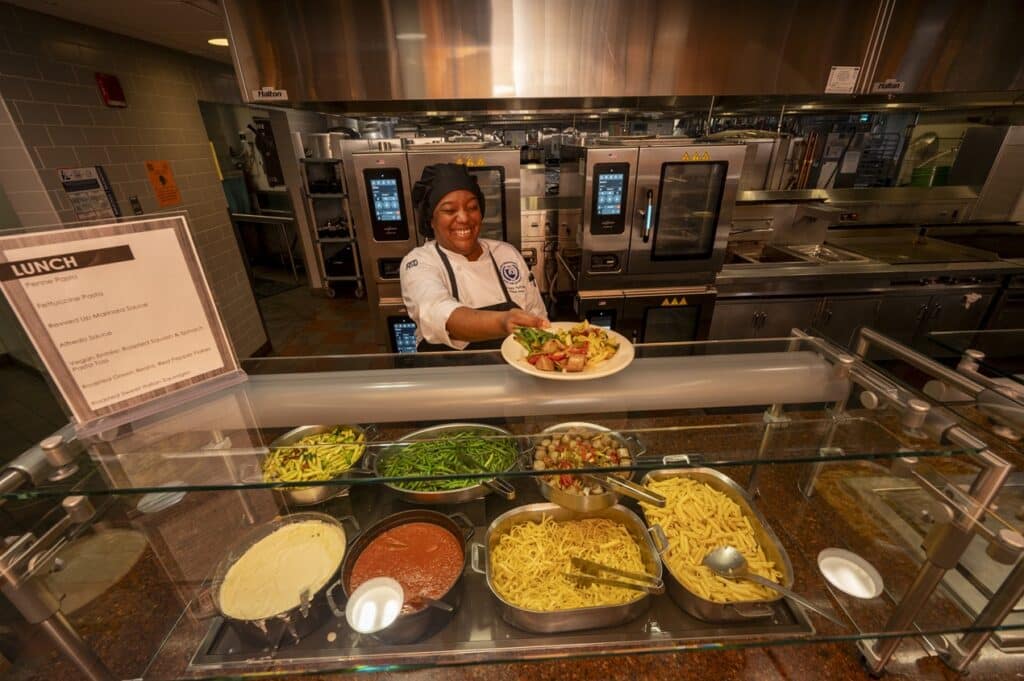
“We help students understand the ‘why’ behind their food choices,” Cowart says. “FISD not only provides energy for activity, we also provide energy for the classroom so student athletes can focus and perform on and off the field.”
Performance nutrition in schools, then, is as much about education and access as it is about individual foods. Dining teams can work alongside athletic directors, coaches, athletic trainers, school leaders, and families to create an environment that supports performance, recovery, growth, and overall well-being.
And effective recovery food doesn’t have to be complicated.
Cowart points to chocolate milk as one example: it provides hydration, carbohydrates, and protein along with calcium and vitamin D to support growing bones. Other accessible combinations might include milk and fruit, soy milk and a granola bar, or fresh fruit and yogurt with water.
The larger goal isn’t simply helping a student play better in tomorrow’s game. It’s giving students knowledge and habits they can carry with them long after the season ends.
Professional Athletes: Where Personalization Gets Precise
At the professional level, the fundamentals remain — but the degree of customization increases dramatically. “It’s more than just ‘serving healthy food,’” says Danielle Cushing Fruin, RDN, CSSD, Director of Performance Nutrition, FLIK Athletics.
Before developing menus for an elite team, Fruin and the FLIK Athletics chefs and RDs consider training demands and conditions, game and travel schedules and performance goals such as building muscle mass, increasing endurance, or reducing cramping.
“A football team in training camp has very different nutritional needs than a soccer team training outdoors in late winter or a baseball team going into a double-header in August,” she explains.

And differences exist within the same team. Sport, position, body composition goals, training volume, climate, and travel can all influence an athlete’s energy, protein, carbohydrate, and hydration needs.
FLIK chefs work closely with team sports dietitians to translate those individualized requirements into something much more tangible: food athletes can actually choose and enjoy.
That might mean changing portion sizes, helping athletes learn to build a performance plate at the buffet, preparing carbohydrate-rich beverages around practices or offering recovery snacks after games. Menus themselves can shift according to a sport’s demands or even the demands of that particular day’s training.
But precision doesn’t mean sacrificing enjoyment.
“The best menu in the world doesn’t work if athletes don’t want to eat it,” Fruin says.
That philosophy influences everything from ingredients to flavor, variety and presentation. It also means recognizing that professional athletes don’t eat “perfectly” all the time.
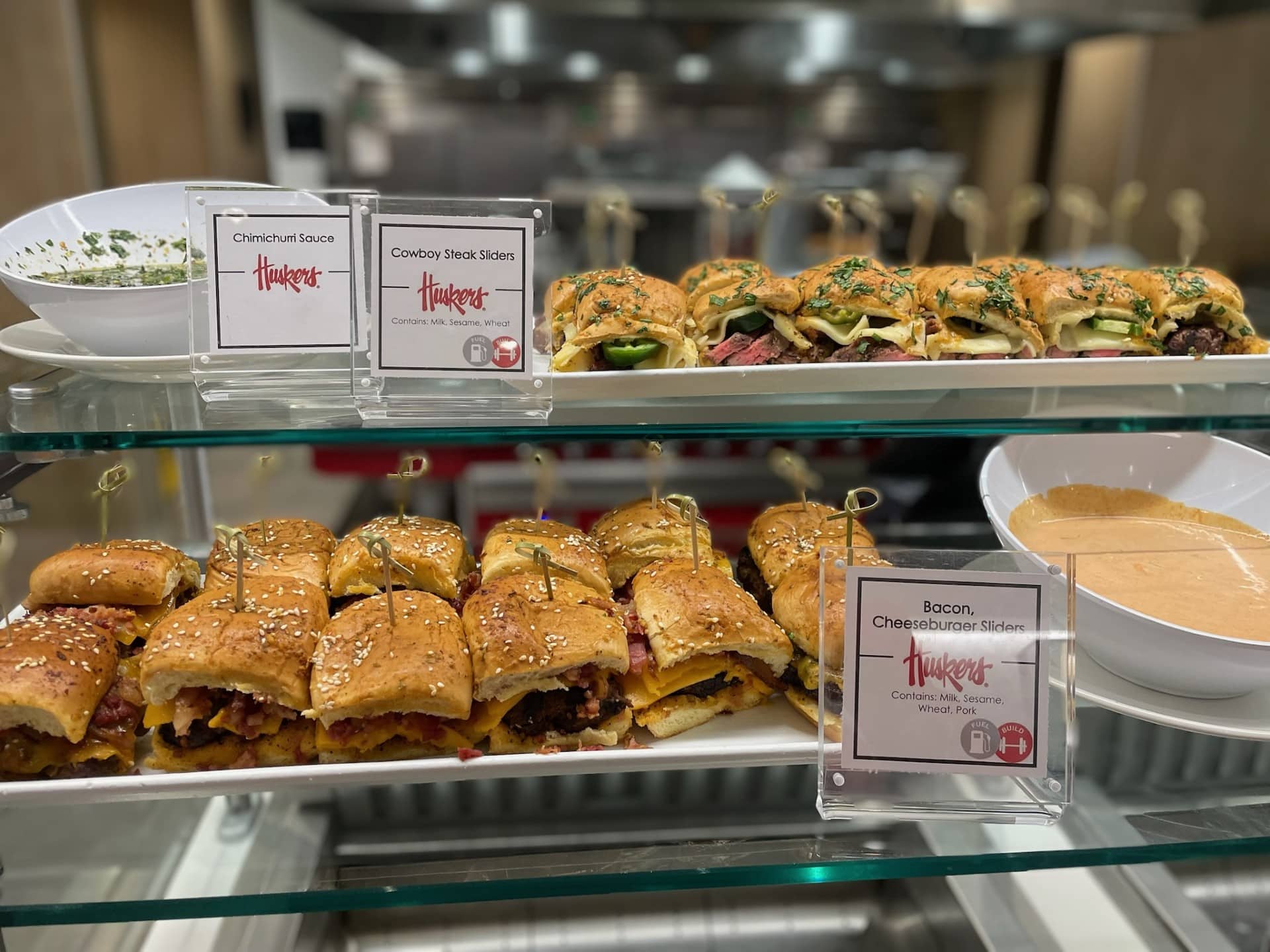
Athletes may crave the same familiar foods as anyone else — fried chicken sandwiches, pizza, mac and cheese – you name it. Rather than treating those foods as incompatible with performance, chefs can recreate familiar dishes using thoughtfully selected ingredients and cooking techniques. A fried chicken sandwich with FLIK Athletics begins with fresh chicken breast that’s brined, breaded, and baked in-house. Pizza might feature a house-made honey wheat crust, San Marzano tomatoes and part-skim mozzarella, avoiding overprocessed foods and cheap ingredients.
It’s a useful reminder that performance nutrition isn’t synonymous with restriction. Food still has to be food; something people want to eat.
The Everyday Athlete: Fueling the Other 23 Hours
For the everyday athlete, personalization looks different again.
One common misconception, according to Tracy Wilczek, MS, RDN, LDN, FAND, Regional Wellness Director, FLIK Hospitality Group, is that simply exercising means you need an energy or sports drink. Instead of focusing exclusively on what happens during a workout, Wilczek encourages people to think about how they’re fueling throughout the entire day.
“I like to equate food in your stomach to gas in your gas tank. You won’t get very far on an empty gas tank, especially if it’s not the correct fuel type,” says Wilczek. “Choose foods that provide high-octane fuel to keep your brain and body powered throughout the day, whether at home or in the office.”
Foods providing complex carbohydrates, protein, healthy fats, vitamins and minerals help fuel the brain and body whether you’re at the gym, behind a desk or at home. Whole grains, vegetables, fruits, nuts, seeds, beans, legumes and a variety of quality protein sources can all contribute.
And perfection isn’t the goal.
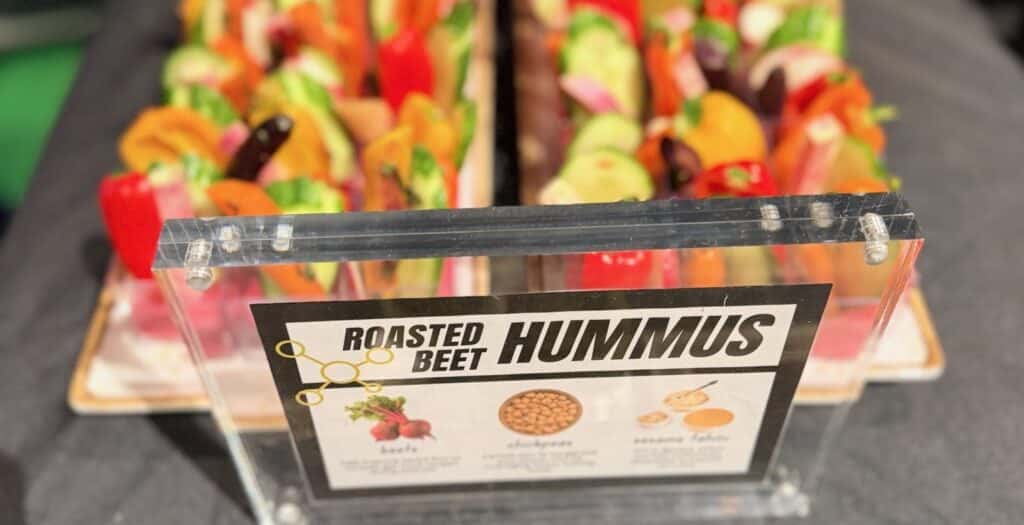
“Majority rules,” Wilczek says. The majority of your choices can emphasize nutrient-dense foods without requiring every single meal or snack to meet an impossible standard. She suggests options such as whole fruit paired with trail mix or nut or seed butter, vegetables with hummus, olives, lupini beans or bean-based snacks to help maintain energy throughout the day.
Her nutrition habit for just about everyone is perhaps the simplest recommendation of all: Eat more plants, preferably in their Mother Nature-made form.
Different Athletes. Same Foundation.
Put these three athletes next to one another and their lives couldn’t look more different.
One is growing, learning and heading from algebra to afternoon practice. Another may be preparing for the Super Bowl. The third might be training for a 5K, lifting a few times a week, or simply trying to have enough energy for a workout and everything that comes afterward.
Their nutrition strategies shouldn’t look identical.
But listen to the RDs supporting them, and the commonalities become clear.
Eat enough to support what you’re asking your body to do. Build meals around nutrient-dense foods. Include carbohydrates, protein, and healthy fats. Hydrate. Recover. Make food accessible. And, importantly, make it enjoyable.
Whether the goal is growth, a championship or simply feeling stronger, performance nutrition isn’t about eating like a professional athlete.
It’s about learning how to fuel yourself.