
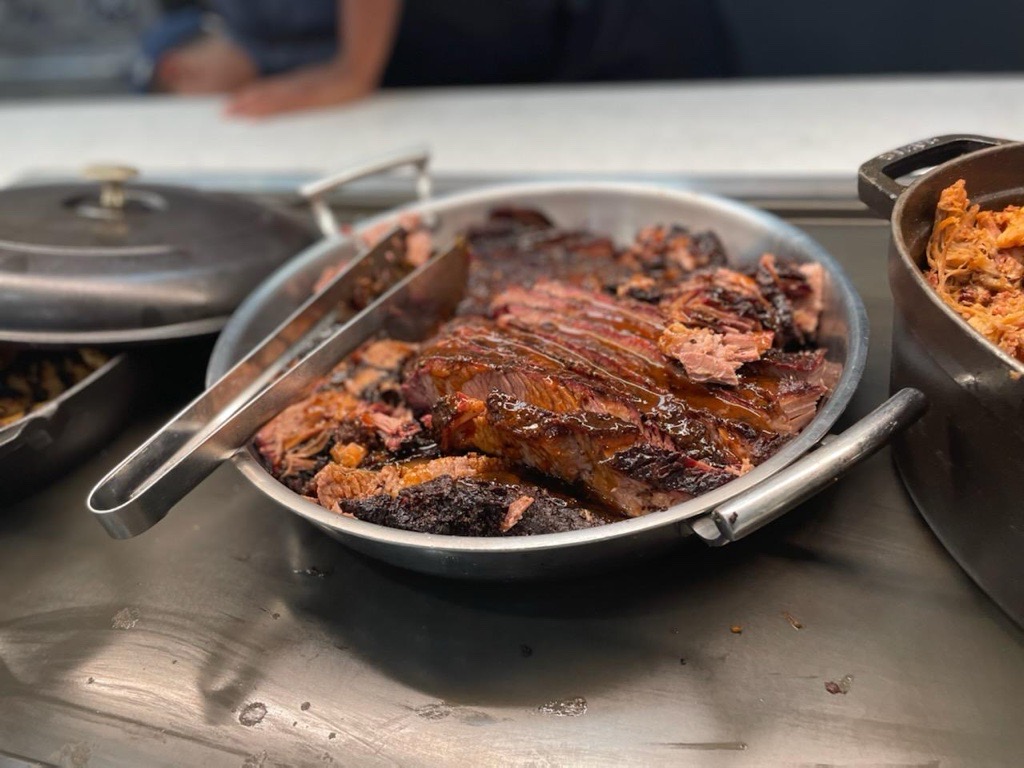
FACT CHECKED BY FLIK: PROTEIN
Protein seems to be everywhere these days. From grocery store shelves lined with protein-packed products to social media feeds filled with advice on hitting daily protein goals, it’s become one of the most talked-about nutrients in nutrition. But with so much information — and misinformation — circulating, it can be difficult to separate what your body actually needs from the latest marketing trend.
In the latest installment of Fact Checked By FLIK, our Registered Dietitians take a closer look at today’s biggest food and nutrition topics, breaking down the science behind the headlines so you can make informed choices with confidence.
After exploring the facts behind seed oils and artificial colors, we’re turning our attention to one of nutrition’s hottest topics: protein. Do you really need more of it? Are protein-enriched foods worth the hype? And how much protein is enough?
Let’s separate fact from fiction and take a closer look at what the research has to say.
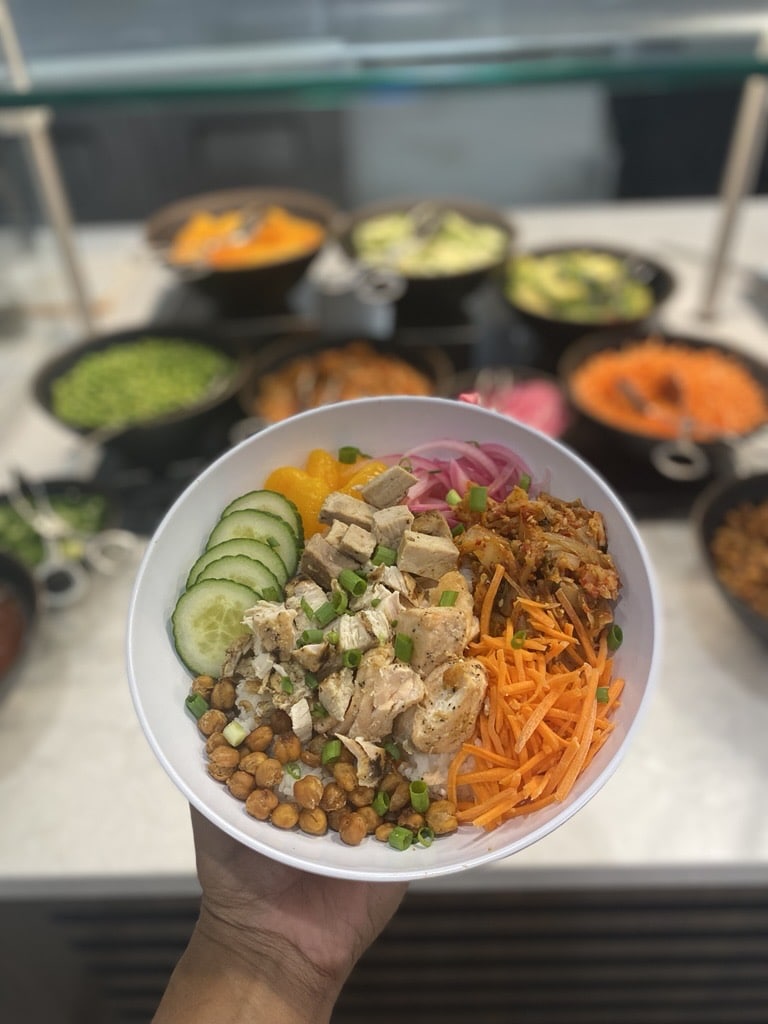
DEFINING PROTEIN
Protein is one of the essential nutrients your body needs to stay healthy. Often called the body’s “building block” because it helps build, repair, and maintain muscles, bones, skin, and other tissues. It also supports enzyme production, hormone balance, and immune function.
Eating enough protein helps maintain muscle strength, supports healing, and keeps you feeling full longer. Good sources include:
- Beans, lentils, and peas
- Soy products (tofu, edamame)
- Nuts and seeds
- Lean meats (chicken, turkey, fish)
- Eggs
- Dairy products (milk, yogurt, cheese)
Releated Read: 8 HIGH-PROTEIN BREAKFASTS YOU CAN MAKE WHILE YOU’RE STILL HALF ASLEEP
WHAT’S THE CHATTER
Many consumers today believe “more protein is better” and are actively seeking high-protein foods and supplements.
Common myths include:
- Everyone needs large amounts of protein
- Eating extra protein automatically builds more muscle
- Protein supplements are necessary for good health
THE FACT CHECK
Although protein is essential, most people can meet their needs with a moderate protein intake starting around 0.8 grams of protein per kilogram of body weight per day with individual needs varying. Older adults’ protein needs tend to be higher to help preserve muscle mass and strength.
Despite common beliefs, consuming more protein than the body needs does not automatically build additional muscle; excess is instead used for energy or even stored as fat if it contributes to too many calories. Additionally, overconsuming protein can crowd out other important nutrients found in fruits, vegetables, whole grains, and healthy fats.
Both plant and animal proteins can support health. Plant-based options such as beans, lentils, and soy foods like tofu and edamame offer added benefits including added fiber, vitamins, minerals, and antioxidants that support overall wellness.
Rather than focusing on high protein intake or relying on supplements, dietitians emphasize getting nutrients from a variety of whole foods. Protein works best as part of a balanced diet; not in isolation.
Related Read: FUELING THE FIELD: HOW WE FEED ATHLETES FOR PERFORMANCE

THE CONCLUSION
Protein is essential for muscle health, immunity, and healthy aging, but more is not always better. Aim for adequate amounts from both plant and animal foods. By focusing on overall dietary quality rather than simply increasing protein intake, individuals can support long-term health and well-being.
Have questions? Connect with our team at [email protected].