
THE EERIE-SISTIBLE CASE FOR TRYING NEW FOODS
Halloween is the season for celebrating things a little out of the ordinary. From ghosts and ghouls to haunted houses, the holiday is all about facing your fears. For some students, unfamiliar foods may feel intimidating, but through playful, low-pressure experiences, FISD makes exploring new flavors feel more fun than frightening.
We understand what it takes to create a customized, thoughtful, student-centered, age-appropriate approach to make trying new foods feel fun, comfortable, and approachable. Through engaging menus, creative food presentations, and opportunities to taste without pressure, FISD helps students build confidence, curiosity, and a more adventurous relationship with food that lasts a lifetime.
“When we talk about encouraging students to try new foods, we are not asking them to overcome their hesitation through pressure,” says Kerry Cowart, Vice President of Wellness and Sustainability, FISD. “We are creating positive opportunities for exploration. A student may need to see a food several times, hear about it from a friend, or try it in a familiar format before feeling ready. Every positive experience matters.”
Why New Foods Can Feel Scary
We get it.
There’s a natural hesitation when it comes to trying new things, especially for younger students. Common fear factors can include:
- Texture sensitivity
- Previous experiences
- Family food traditions
- Smell or visual appearance
- A desire for predictability in the dining hall
But our approach is rooted in exploring that sense of curiosity.
Brave Bites, Big Discoveries
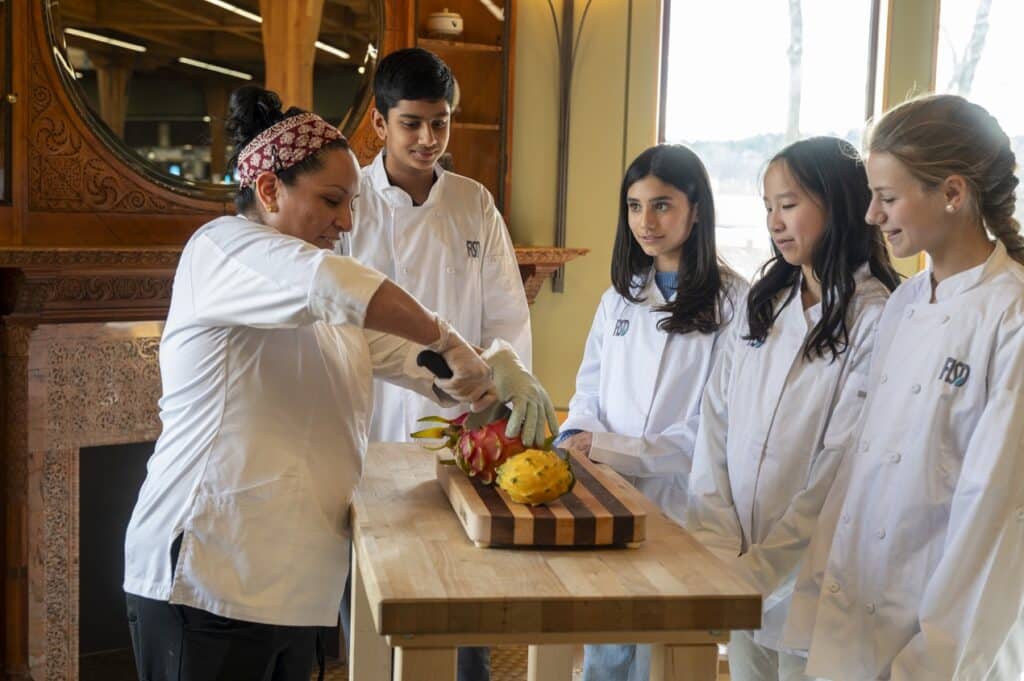
Throughout our dining halls, students are encouraged to explore food at their own pace. By integrating small sampling programs, celebrating the bounty of the season, and partnering with chefs and RDs available to answer questions about new foods, we can take the fear out of the experience. We ensure a mix of new items with familiar favorites, serve samples in approachable formats, and introduce foods with simple marketing that highlights ingredients and preparation.
“When students feel curious, included, and excited, they are more likely to engage with food positively,” says Courtney Bryant Hill, Vice President of Marketing, FISD.
“Our role is to help make that first step feel approachable. A fun theme, an appealing presentation, or a chance to learn the story behind a dish can make an unfamiliar food feel more inviting.”
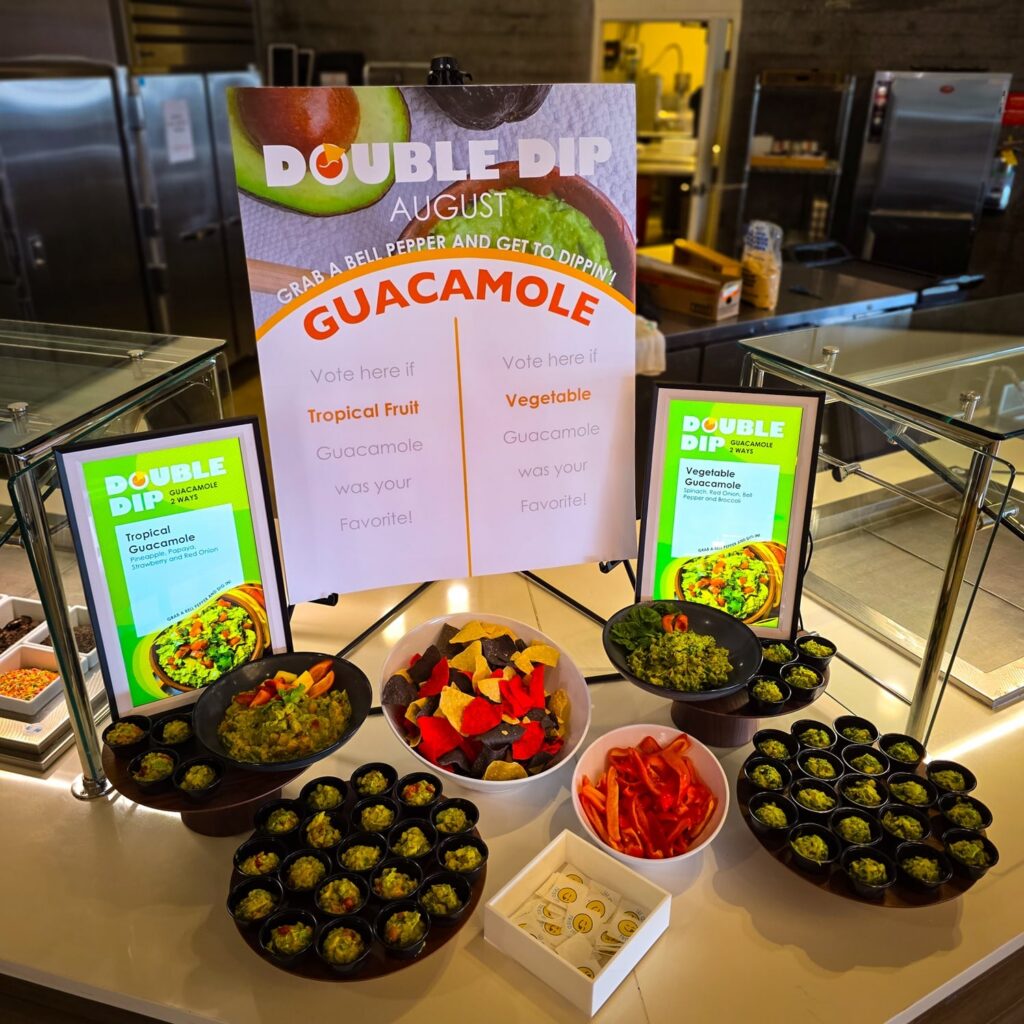
Each year we look at the latest food trends, feedback from our campus engagement surveys, and the innovation our culinary team brings to the table to create a robust engagement program designed with this philosophy in mind.
- Global Street Eats introduces students to foods and flavors from different countries.
- Traditions brings the campus culture and major milestones to life through food.
- Tried It: Double Dip provides opportunities to sample foods and share their reactions in a low-pressure environment.
These programs help create a sense of discovery around food. They also create a sense of community and camaraderie among peers, teachers, and staff as they connect with the dining team in the latest promotion.
Turning Curiosity into Confidence
Encouraging students to try new foods is not about creating adventurous eaters for its own sake. It is about helping young people develop the confidence, curiosity, and flexibility they need to make nourishing choices throughout their lives.
Greater familiarity with a variety of foods can support a more balanced diet and help students discover ingredients they enjoy. It can also make mealtimes more positive and inclusive, particularly in school communities where students bring different cultural backgrounds and food traditions to the table.

Our approach recognizes that every student is different. Some students may be eager to try something new, while others may need more time and reassurance. Both responses are normal.
“Food can be a source of nourishment, connection, culture, and joy,” adds Bryant. “When we make new foods feel approachable, we are helping students do more than try something different at lunch. We are helping them build experiences and habits that can support their well-being for years to come.”
Our dining teams continue to create environments where students can explore food without fear, learn from one another, and build confidence in their choices.